

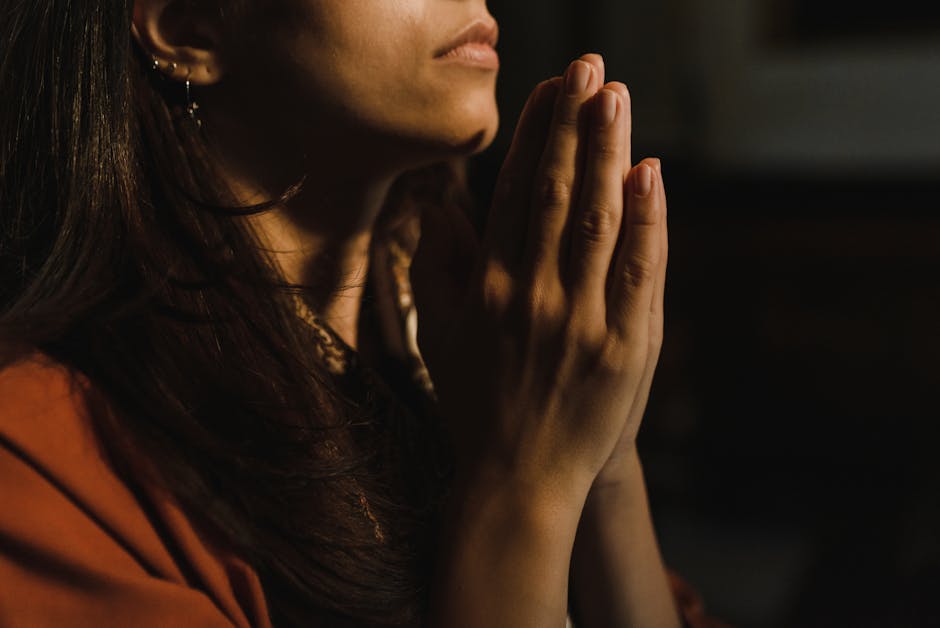
A recent UNICULT Cam Church conversation on the power of prayer brought an old question back into focus: what is prayer actually doing? Plenty of people still hear the word and think of obligation, performance, or superstition. Others treat prayer like an emergency flare, useful only when life becomes unbearable. Prayer has always carried deeper possibilities. Before it asks the universe for anything, prayer changes the state of the one who is praying.
That shift begins with attention. In ordinary life, attention gets scattered fast. Notifications fracture it. Worry hijacks it. Social performance consumes it. Even desire can divide it when we chase too many futures at once. Prayer interrupts that fragmentation. It gathers the mind. It asks a person to pause, orient, and speak from a deeper center than habit usually allows.
Prayer organizes the inner field
This is part of why prayer can feel powerful even before any visible answer arrives. A sincere prayer creates internal order. It helps a person separate what is trivial from what is essential. It clarifies longing. It reveals where fear has been driving the conversation. It can expose the difference between what the ego wants immediately and what the soul actually seeks.
Every prayer carries its own texture. Some prayers are solemn. Some are awkward. Some of the most honest prayers are messy. They sound more like confession than poetry. They emerge from exhaustion, grief, gratitude, awe, or total confusion. What matters is the coherence of presence. If a person is truly there, truly speaking, and truly listening, something real is already happening.
Modern culture often undervalues practices like this because it prefers forms of power that can be easily quantified. Prayer resists that demand. Its effects may appear as steadier choices, cleaner intuition, unexpected peace, or a sudden ability to release what was previously clenched. Those changes are real. Their subtlety is part of their strength.
It is less about control and more about relationship
One of the distortions around prayer is the idea that its purpose is to control outcomes. Ask correctly, believe hard enough, and reality will obey. That mindset turns prayer into a transaction. It also sets people up for disillusionment when life remains complex. A healthier understanding sees prayer as relationship. It is a way of entering conscious dialogue with the sacred, with the field, with God, with your higher self, or with the deepest layer of reality that still feels alive to you.
From that perspective, prayer is powerful because it restores contact. It reminds people they are connected to something larger than their own mental weather. They can reach toward meaning. They can bring pain into a larger container. They can speak love out loud. They can ask for guidance and then become quiet enough to notice what arrives.
That last part matters. Prayer includes receptivity. Once attention gathers and intention clarifies, listening becomes possible. The answer may arrive as a bodily easing, a fresh idea, a changed mood, or the sudden courage to do the next right thing. For many people, that is exactly where the power lives.
Prayer stays meaningful without spectacle. Its first miracle is simple. It turns scattered consciousness into directed presence. In a world designed to keep the soul fragmented, that alone is a profound act.
