

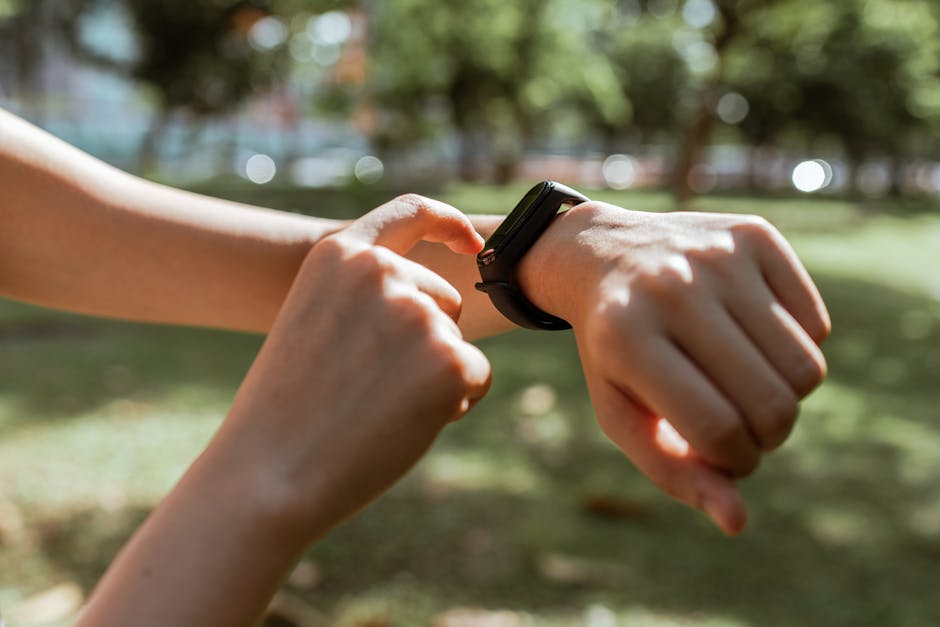
For a long time, consumer technology treated the body like a machine that needed monitoring. Count the steps. Track the sleep. Measure the pulse. Flag the deviation. That model gave people useful information, but it also flattened human experience into a dashboard. The body became a problem set. The user became an operator staring at numbers.
That is starting to change. The more interesting future for wellness technology is conversational. Biofeedback tools are gradually moving from passive measurement to relational response. Instead of only reporting what happened, they are beginning to shape what happens next.
Data gets more powerful when it changes your state
A heart rate graph can tell you that stress happened. A responsive system can help you notice stress while it is unfolding and guide you toward regulation before the spiral deepens. That difference matters. Information after the fact is educational. Information that arrives in time to change your behavior is transformational.
This is why breath pacing tools, nervous system wearables, adaptive meditation interfaces, and temperature based recovery systems feel so compelling right now. They create loops. You do something. The system reflects it. You adjust. The system changes again. Over time, the body stops feeling like a black box that occasionally breaks. It becomes something you can relate to with skill.
That shift matters culturally as much as medically. Once people learn to recognize the bodily signature of calm, overload, anticipation, or emotional closure, they gain leverage over patterns that used to run unconsciously. A simple pulse change can become an invitation to pause before an argument escalates. A breathing cue can help someone return to center before a meeting, a performance, or a difficult conversation. The data becomes meaningful because it participates in life.
That kind of interaction also invites a different philosophy of design. If a device is going to sit close to the body, it should reduce anxiety rather than increase it. It should help people feel more capable and more resourced. The best systems in this space reward awareness. They reward awareness. They turn subtle internal shifts into something perceivable, and they do it without draining the mystery out of being alive.
The body is a source of meaning
There is a spiritual angle here too, even when companies avoid that language. As soon as technology helps someone feel the connection between breath, attention, emotion, and physiology, it starts teaching embodied consciousness. A person learns that their inner state is neither imaginary nor random. Focus changes the body. Safety changes the body. Meaning changes the body. Relationship changes the body.
That realization could quietly reshape how people think about intelligence. For years, mainstream tech culture acted like cognition lived mainly in the head and that the ideal interface would minimize friction by removing the body from the equation. Real human wisdom is embodied. Intuition often arrives somatically. Clarity has texture. Fear has temperature. Relief has rhythm. The next generation of humane technology will respect those truths instead of treating them as noise.
There are risks, of course. Any intimate technology can be used in controlling ways if profit motives overpower care. That is exactly why design ethics matter now, while the category is still maturing. We need tools that build agency rather than dependence. We need interfaces that invite self trust. We need products that help people recognize their own patterns without making them feel permanently monitored.
At its best, biofeedback becomes a new literacy. It teaches people how to perceive themselves with more precision and less fear. And once technology starts helping people listen to their own body with that kind of clarity, the relationship between human beings and machines becomes more interesting than simple productivity ever was.
